
Rubber Inc. Blog
What Do Tire Buffing Stone Colors Mean? A Retreader's Color Chart
By Rubber Inc. | October 27, 2026
See more of our guides and deals in your search results.
 Add Rubber Inc. on Google
In general, white and pink stones are for finishing, brown is all-purpose, and black is for aggressive cleanup.
The color of a buffing stone is a quick clue to how hard it cuts. Pick the right one and you get a clean, even texture with less heat, less smearing and less time at the buffer. Pick the wrong one and you can glaze the rubber or remove more than you meant to.
Color coding is not a universal standard, so always check the manufacturer's specs for grit and abrasive type. But across most retread shops, these general patterns hold up well and make a handy starting point.
Buffing Stone Color Chart
| Stone color | Aggressiveness | Typical abrasive | Best for |
|---|---|---|---|
| White | Moderate | Aluminum oxide | Finishing and light smoothing after bulk buffing |
| Brown | Medium, all-purpose | General-purpose blend | Routine removal of old rubber and shaping before final smoothing |
| Pink | Mild, even | Higher-grade aluminum oxide or blend | Cooler cutting and a clean surface with less glazing |
| Black | Aggressive | Often silicon carbide | Stubborn rubber remnants and shoulder cleanup |
White Stones: For Finishing
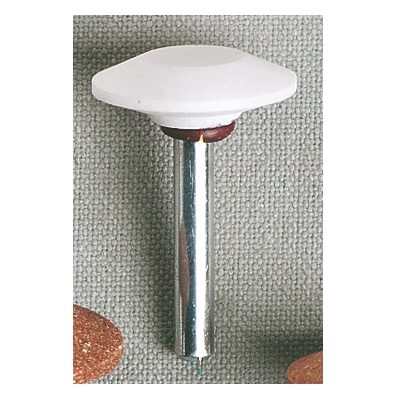
White stones tend to be a moderate abrasive, often used for finishing or lighter smoothing. They work best on surfaces that are already fairly smooth, cleaning up the rubber after the bulk of the buffing is done. Many white stones use an aluminum oxide abrasive, similar to what you'll find on a lot of buffing stones.
Featured product: A37 1-1/4" Stone Disc (016534-80037)
Brown Stones: The Everyday Workhorse
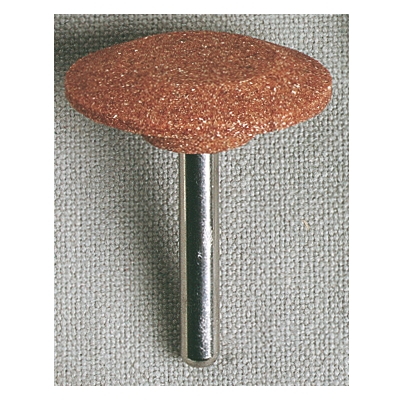
Brown stones are usually general-purpose grinding and buffing stones. They offer a balanced cut rate that is not too aggressive and not too fine. Reach for brown for routine removal of old rubber and for shaping the buffed surface before final smoothing.
Featured product: A36B Brown 1-3/4" Stone Disc (016534-80136)
Pink Stones: Cooler, Cleaner Cuts
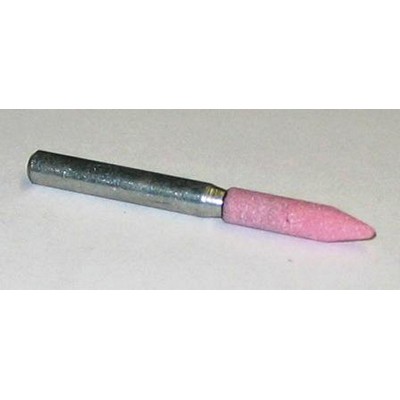
Pink stones often represent a slightly harder or more refined abrasive mix, such as a higher-grade aluminum oxide or a blend that cuts more evenly. In other abrasive applications like grinding wheels, pink is used for cooler cutting and less glazing. That matters in a retread shop, because less heat means less smearing on the rubber.
In retreading, pink is a smart choice when you want a cleaner, smoother surface without aggressive stock removal.
Featured product: 1/4" Pink Pencil Stone (016534-80715)
Black Stones: When You Need More Bite
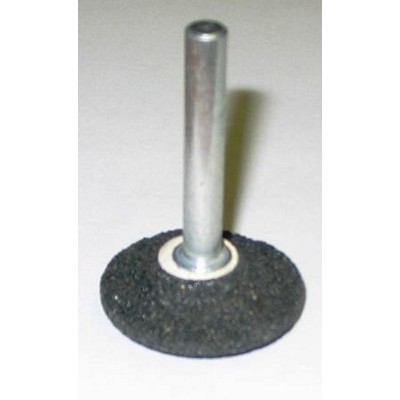
In general abrasive practice, black often indicates silicon carbide or a sharper, more aggressive grit made for very hard materials. Black stones are less common for general crown buffing. Where they shine is specialized cleanup that calls for a fast, aggressive cut, like stubborn rubber remnants or shoulders.
Featured product: Ascot 534-80537 1-1/4" Black Mushroom Stone (46 grit)
Picking the Right Stone for the Job
Think of it as a sequence: brown or black to remove rubber, then white or pink to finish. Watch for glazing or smearing as a sign the stone is running too hot or is the wrong fit. And since color coding varies by brand, confirm grit and abrasive type on the spec sheet before you switch.
Frequently Asked Questions
What color buffing stone is best for finishing a retread casing?
White or pink. White stones are a moderate abrasive for finishing and light smoothing, while pink stones are a good choice when you want a cleaner surface with cooler cutting and less glazing.
Which buffing stone should I use for general rubber removal?
Brown. Brown stones are general-purpose stones with a balanced cut rate, made for routine removal of old rubber and shaping the surface before final smoothing.
When should I use a black buffing stone?
Use black when you need a fast, aggressive cut, such as stubborn rubber remnants or shoulder cleanup. Black stones are less common for general crown buffing.
What is the difference between white and pink buffing stones?
Both are used for finishing. Pink stones often use a more refined abrasive blend that cuts more evenly and runs cooler, which helps reduce smearing on the rubber.
Why is my buffing stone glazing or smearing the rubber?
Glazing and smearing are often signs of heat buildup or a stone that is the wrong fit for the job. A cooler-cutting stone, like pink, can help.
Are buffing stone colors standardized?
No. Color coding varies by manufacturer, so always confirm grit and abrasive type on the spec sheet before switching stones.
Need help matching a stone to your buffer or casing? Talk to your Rubber Inc. sales rep or shop our full lineup of retreading stones at rubber-inc.com.