
Rubber Inc. Blog
Air Hose Awareness: Common Problems and Safety Tips
By Rubber Inc. | April 28, 2025
See more of our guides and deals in your search results.
 Add Rubber Inc. on Google
In a tire or auto repair shop, air hoses are essential for the operation of the pneumatic tools and equipment that you rely on every day. Properly maintained air hoses help your shop stay productive, maximize the life of your equipment, and keep your employees safe. Let's talk about common air hose maintenance issues you should watch out for.
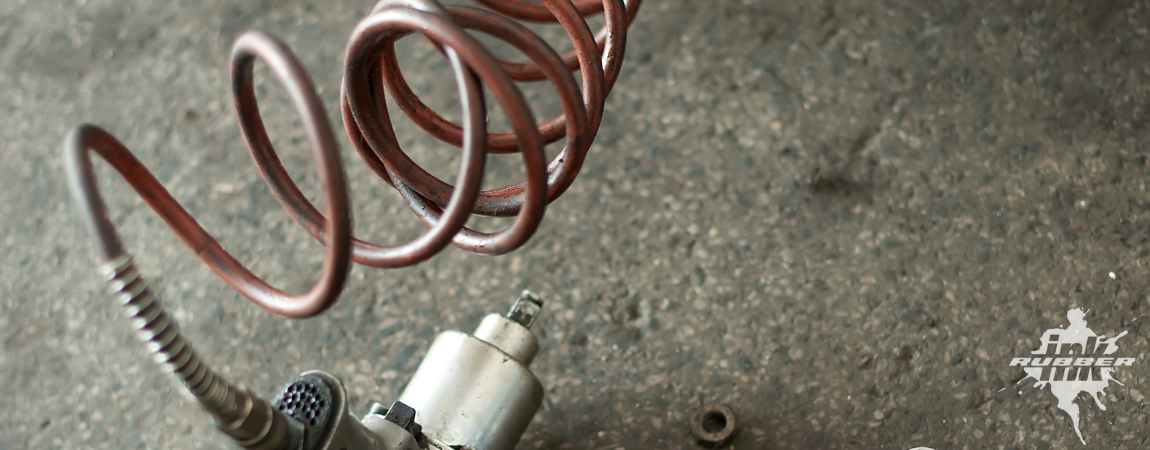
Common Air Hose Problems
Leaks in the Line
Even small leaks in your line can greatly impact your tool's performance by reducing air pressure. This forces your compressor to work harder, which also shortens its lifespan. Leaks mean you're paying for air you don't use. They also make room for moisture, dust or debris to get inside the hose, which causes clogs and damaged tools.
The most common leak points are at fitting and connection points, but leaks can also occur where the hose bends or kinks. Visually inspecting a hose for leaks is similar to inspecting a tire. Look for "dry rot," bulges, or missing protective rubber. You might also be able to hear the hiss of air escaping from the hose.
If you can't find an obvious leak but you're still not getting the performance you expect, use a leak detector concentrate. Spray it on the suspect areas of the hose. If you see bubbles, you have a leak.
What do you do if you have a leak? If air is escaping at fitting or connection points, ensure they're tightened properly. If the leak is because of worn or broken hoses or other parts, however, then parts will have to be replaced. Rubber-Inc offers a complete selection of hoses and fittings.
Liquid Air/Condensation in Your Lines
One of the biggest enemies of pneumatic tools, condensation in air hoses occurs when warmer compressed air starts to cool down. When this happens, the air loses its ability to hold water vapor, and the result is water inside the compressor or line.
This can lead to rust and corrosion, causing tools to malfunction or fail. In cold weather, condensation can even freeze and clog the air line, preventing tools from working at all.
To prevent condensation, follow these best practices:
- Use high-quality air hoses
- Avoid long hose runs
- Uncoil hoses when in use
- Use hose reels or elevate hoses in other ways to keep them off cold floors
- Keep your compressor in good working order using compressor oil
- Keep your air compressor at a consistent temperature and drain it daily to ensure any built-up water is removed
- If your compressor does not have a dryer, consider buying auto dryers to help eliminate moisture without having to manually drain the tank
Impure Air
Breathing clean air is good for you, and it's good for air hoses, too. In fact, clean air makes a big difference in the performance, longevity, and safe operation of pneumatic tools. Under OSHA 29 CFR 1910.177, clean, regulated air is part of safe operation protocols for tire inflation.
A good air filter goes a long way. It helps expel water, oil, and other contaminants from the system. We recommend the Rema EXPEL30, which is cleanable and reusable and filters all contaminants down to 1 micron.
Air Hose Safety
We always try to make it a point to emphasize safety here on the RubberInk blog, so we'd be remiss if we didn't include a few words about how to stay safe when using air hoses.
Hoses running across the floor of the shop are a potential tripping hazard. You can help mitigate tripping hazards by using hoses in bright, contrasting colors that are easier to see.
Technicians should be trained to visually inspect air hoses for damage every time before they turn on the air. Damaged hoses should be replaced immediately.
To keep hoses from getting damaged and further reduce the risk of tripping accidents, you should always use retracting reels, preferably ceiling-mounted ones, to store air hoses when they're not actively in use.
Long term exposure to the noise made by pneumatic tools can lead to hearing loss. Tire shop workers should wear appropriate hearing protection whenever they're using or working near air compressors and hoses.
An Essential Partner for Essential Tire Shop Equipment
Air hoses may be relatively simple pieces of equipment compared to some of the machinery in a modern auto shop, but that doesn't mean they can be taken for granted. Worn out or improperly maintained air hoses undercut your shop's efficiency, and poor handling and storage of air hoses can put employee safety in jeopardy. Rubber-Inc is there as a dependable partner for all of the things you depend on to keep your business running smoothly and safely. Contact us today to see how we can help.
Frequently Asked Questions
Why does water keep collecting in my air lines?
Compressing air heats it and concentrates the moisture it already holds. As that air cools in the tank and lines, the moisture condenses into liquid water. That water causes rust and corrosion, washes lubrication out of air tools so they wear faster or fail, and can freeze and block lines in cold weather. To reduce it, drain the compressor tank daily (or install an automatic drain), add a water separator or filter near the point of use, and consider an air dryer for shops with heavy demand or tools that need very dry air. In fixed piping, sloping the lines toward drain points helps catch water before it reaches your tools.
How do I find an air leak I cannot see or hear?
First, confirm there's a leak: fill the system, shut off the compressor, and watch the tank gauge. If the pressure drops with no tools running, air is escaping somewhere. With the system pressurized, spray a leak detector solution on the suspect areas and watch for bubbles. Start with fittings and connection points, such as quick couplers, threaded joints, regulators, and filter bowls, since those are the most common leak points. Then check anywhere the hose bends, kinks, or rubs against something.