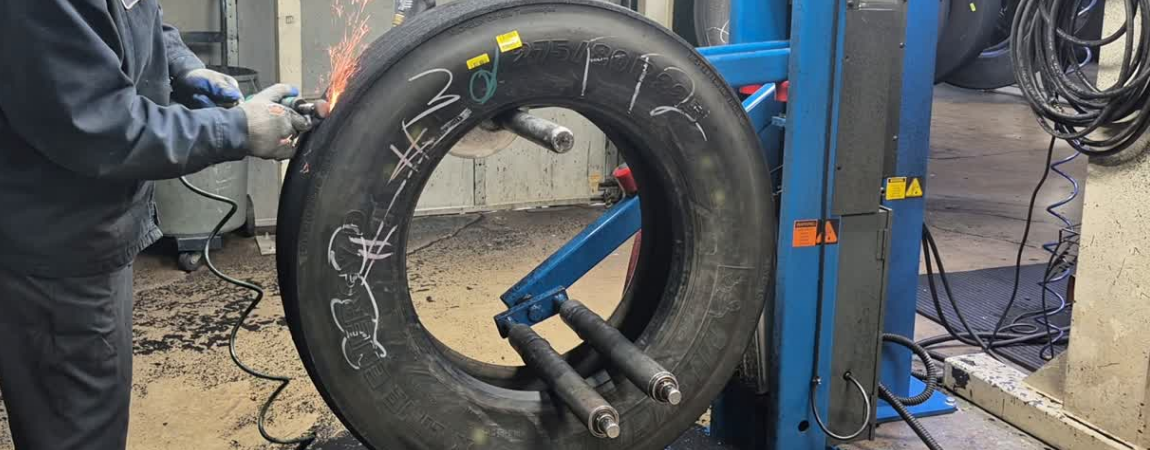
The State of the Tire Retreading Industry: 2026 Outlook


The State of the Tire Retreading Industry: 2026 Outlook


The beginning of 2026 finds the tire retreading industry poised for a dramatic rise. In this article, we’ll take a look at factors driving this expansion. 

The Next 5-10 Years

The COVID-19 pandemic, supply chain disruptions, and up and down demand made for a roller coaster ride in the tire retreading industry since 2020, but as we move into 2026, there’s reason for optimism about growth.

Market research firm Future Market Insights projects that the market for tire retreading equipment will expand at a CAGR (Compound Annual Growth Rate) of 5.1% from now through 2035, growing from $547 million in 2025 to almost $900 million by 2035. Cold retreading equipment is expected to account for the largest share of the market.

Looking at the big picture, another analyst, The Business Research Company, projects that the tire retreading market as a whole will grow to over $9 billion in 2029 after reaching $7.67 billion in 2024.

The Causes of Retreading Industry Growth

So, what’s driving tire retreading industry growth? There are different factors at play in different markets.

In markets like China and India, the main driver of growth is the burgeoning logistics sector, with expanding transport fleets leading to increased demand for tires.

Meanwhile, in places like the United States and Western Europe, regulations on tire recycling are causing more tires to be retreaded instead of simply being disposed of.

As Asia Pacific markets continue to develop, and as environmental concerns, government incentives, and the desire to reduce costs continue to motivate commercial vehicle operators in the Western world, there’s good reason to believe that the retreading industry will keep expanding.

New Growth Sectors for Retreaded Tires

While commercial fleets and agricultural/OTR vehicle operators are still the main users of retreaded tires, there is potential for growth in other sectors as well.

One such area is governmental fleets. Many municipalities are setting sustainability goals, while cost reduction is a perennial concern. Using retreaded tires on municipal vehicles and keeping tires out of landfills offers local governments a way to reduce both costs and environmental impact.

Meanwhile, while personal vehicles have historically made up an insignificant share of the market for retreaded tires, the increasing use of personal vehicles for “gig economy” work through services like Uber could change that. People driving more miles in their personal vehicles to make extra money might be attracted to the savings of retread tires.

Public Policy and the Tire Retreading Industry

It’s worth taking some time to talk in detail about one piece of proposed legislation that could impact the future of the retreading industry.

In May, H.R. 3401, the Retreaded Tire Jobs, Supply Chain Security and Sustainability Act, was introduced in the U.S. House of Representatives. Under this law, commercial fleets could qualify for federal tax credit when they invest in retreaded tires. The credit would be calculated as either 30 percent of what the fleet spends on eligible retreads during the year, or $30 per retreaded tire placed into service, whichever amount is lower.

If this legislation becomes law, it could lead to even greater demand for retreaded tires from the commercial trucking industry. However, an expansion of the U.S. tire retread industry could also lead to greater scrutiny from regulators. Retread plants that focus on quality, traceability, and environmental impact will be well-positioned.

H.R. 3401 was referred to House committees after being introduced, but no further action has been taken since then. It should be noted that similar legislation to create tax incentives for American-made retreaded tires has been introduced in Congress before but failed to advance. However, even without the passage of new incentives, the fundamental market factors already discussed still give reason to be optimistic about the expansion of the retreading industry.

Supporting the Tire Retreading Industry

As we head into a new year, there are many reasons to feel positive about the future of the tire retreading industry. Expansions of the logistics sector in the Asia Pacific region, the drive for sustainability and cost savings, and the possibility of wider adoption of retreading tires in sectors like municipal fleets, all have the potential to drive major growth over the next decade.

Here on the RubberInk blog, we’ll continue to monitor trends that affect the growth of the tire retreading industry, including proposed changes in public policy like H.R. 3401. And of course, we’ll continue to be a source of retreading equipment from trusted brands and knowledgeable advice to help you find the right products for your needs. Click here to download a full catalog of our retreading tools and supplies and stay tuned to the RubberInk blog for the latest industry news.


Sources:https://www.futuremarketinsights.com/reports/tire-retreading-equipment-market, https://www.thebusinessresearchcompany.com/report/tire-retreading-global-market-report, https://www.moderntiredealer.com/commercial-business/article/55275066/retreading-challenges-in-2025-demand-tariffs-and-costshttps://monstertires.com/retread-program-municipal-fleet-tires/

Published on Wednesday, December 31, 2025.   by Rubber Inc.