
When Is ADAS Calibration Required? A Practical Guide for Tire & Repair Shops
Some types of Automatic Driver Assistance Systems (ADAS) features are included in basically all new cars and are only growing in popularity due to consumer demand and government mandates for higher safety standards. The equipment that makes these systems function-- cameras, radar and lidar sensors, ultrasonic and sonar sensors-- is becoming more and more integrated throughout the vehicle. This means that a wide variety of common repairs, replacements, and adjustments can all require a recalibration of various ADAS systems. In this article we’ll run down the ADAS implications for some common services.
ADAS Calibration in Different Types of Vehicle Service
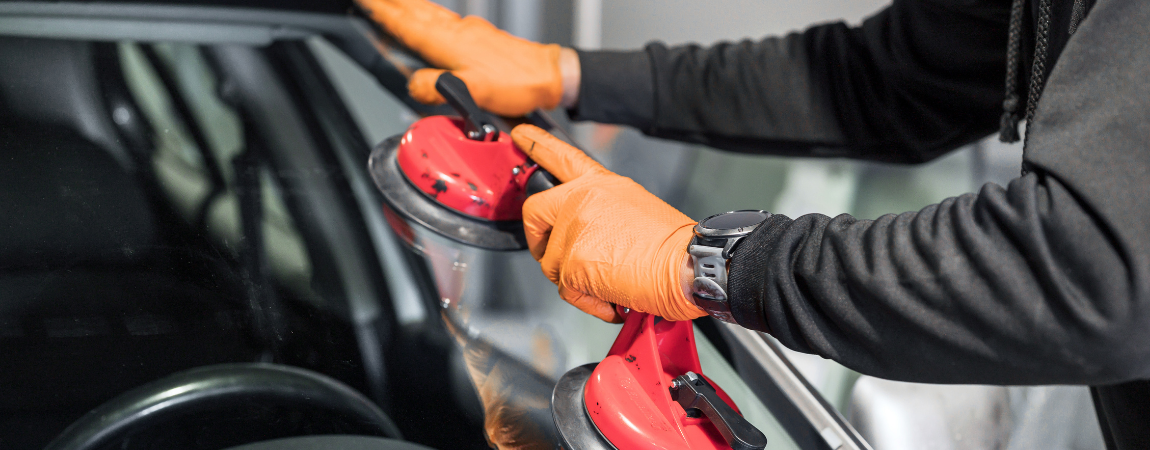
Windshield Replacement
Light sensors, rain sensors, and cameras for ADAS systems are now commonly mounted on or just behind the windshield or even built into the glass itself. When a windshield is replaced, whether it comes with a full set of new sensors or whether some sensors from the old windshield are being transferred over, recalibration is necessary. If the positioning of a sensor is even slightly off, it can have a major impact on the accuracy of the system. Aftermarket windshields can have slightly different curvature or optical properties compared to OEM windshields, which have to be accounted for during calibration.
Collision Repair
The bumpers and body panels of modern cars house sensors for a wide variety of ADAS systems such as blind spot monitoring, automatic emergency braking and collision warning, and parking assist. This means that ADAS calibration is involved in most collision repair.
Replacing bumpers means replacing or re-mounting sensors and then ensuring they’re correctly recalibrated. Even minor fender benders that don’t require a complete replacement of the bumper can still knock sensors out of proper alignment, requiring calibration.
If the collision was severe enough to cause structural damage, ADAS recalibration is even more crucial. ADAS systems depend on sensors that are perfectly aligned, but what if the frame of the vehicle that a sensor is mounted to isn’t straight? Calibration is required after any frame straightening involving sensor mounting points, repairs that affect the wheelbase or track width, or repairs that require sensors to be removed and remounted.
Wheel Alignment and Ride Height Changes
On many modern vehicles, 4-wheel alignment and ADAS calibration go hand in hand. ADAS systems like lane-keeping assist and electronic stability control rely on sensors that detect the vehicle’s steering angle and angular velocity. These sensors must be able to detect exactly what direction straight ahead is, or the associated ADAS systems can’t work reliably. This means that doing a 4-wheel alignment is an integral part of many ADAS calibration procedures.
Another situation that can often require ADAS calibration is the installation of “plus-size” wheel kits. If the ride height or rake angle of the vehicle changes enough, the field of visibility for forward-facing ADAS sensors will be altered, requiring recalibration.
Does Tire Replacement Require ADAS Calibration?
That depends.
If the dimensions of the new tires are different enough from the dimensions of the old tires that the ride height of the vehicle is affected, then ADAS systems should be recalibrated to account for the change. This can be necessary even when simply changing from all-season tires to winter tires.
Typically, however, there is no need to recalibrate ADAS systems after a routine tire rotation, unless an alignment also needs to be done at the same time.
Getting Your Shop ADAS-Ready with Rubber-Inc
As ADAS features become more sophisticated and more integrated into every type of vehicle, auto repair and tire shops will have to reckon with the need to recalibrate ADAS sensors as part of their standard services. That’s why we’re devoting so much coverage to ADAS-related topics here on our blog, including The Top 3 Biggest Concerns Shop Owners Have Before Investing in ADAS and our deeper dive that answers How Will ADAS Shape the Future of Your Auto and Tire Repair Shop. Need more help? Get in touch with us today.